The ad wins attention
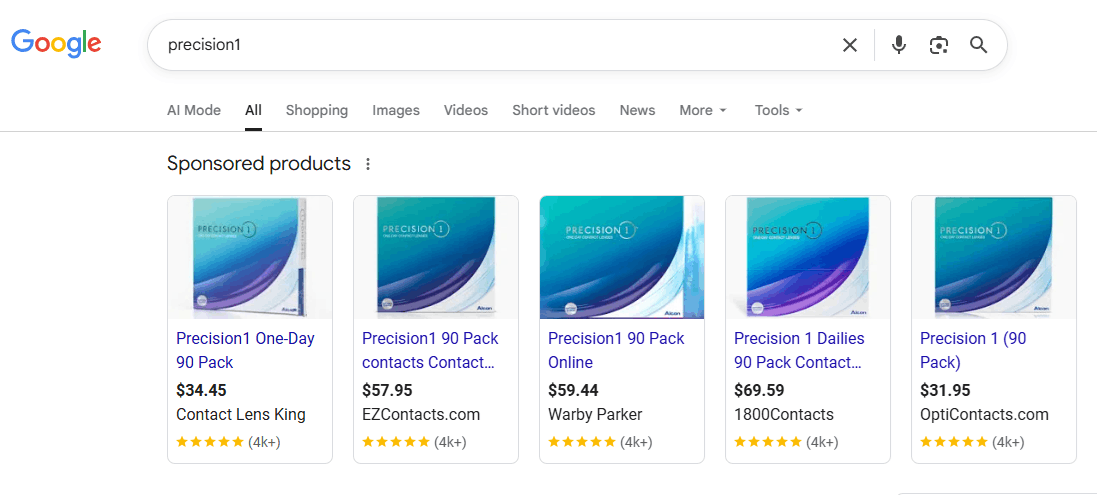
A Google Shopping ad can look dramatically cheaper than familiar sellers for the same lens and box count.
Hidden Contact Lens Fees
Some contact lens sites advertise prices in Google Shopping ads that look far cheaper than everyone else. Then, after the shopper clicks through and starts checkout, the total changes because of processing fees, hidden added costs, or rebate conditions.
That matters because shoppers who do not notice the change can end up paying much more than they thought they would. The Google Shopping price is not always the real price.
What is happening
A low price appears where shoppers compare offers: Google Shopping ads. The extra cost appears later, after the shopper has already spent time entering prescription and checkout details.
A Google Shopping ad can look dramatically cheaper than familiar sellers for the same lens and box count.
The cart or order summary adds a processing fee, an unexplained cost, or a rebate condition.
Anyone comparing only the Google Shopping ad price may think they found a bargain while actually paying a much higher final total.
Examples of sites with hidden fees
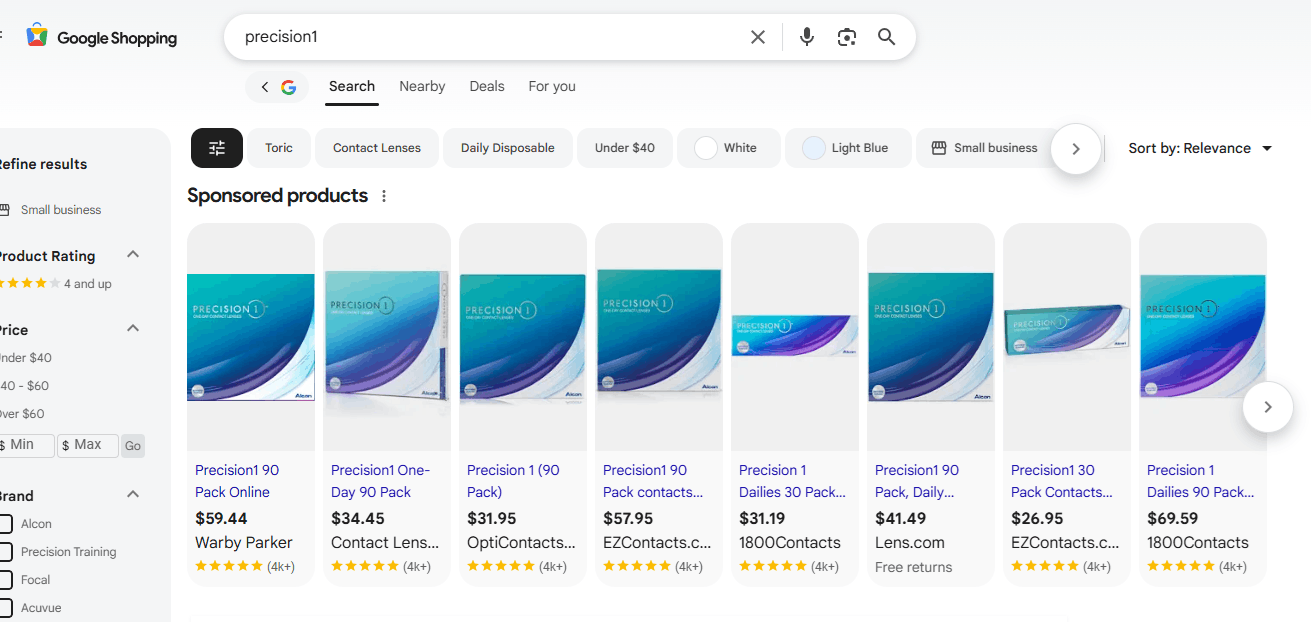
The screenshots below show the pattern: a low Google Shopping or product price first, then a larger final total in cart or checkout.
Processing fee
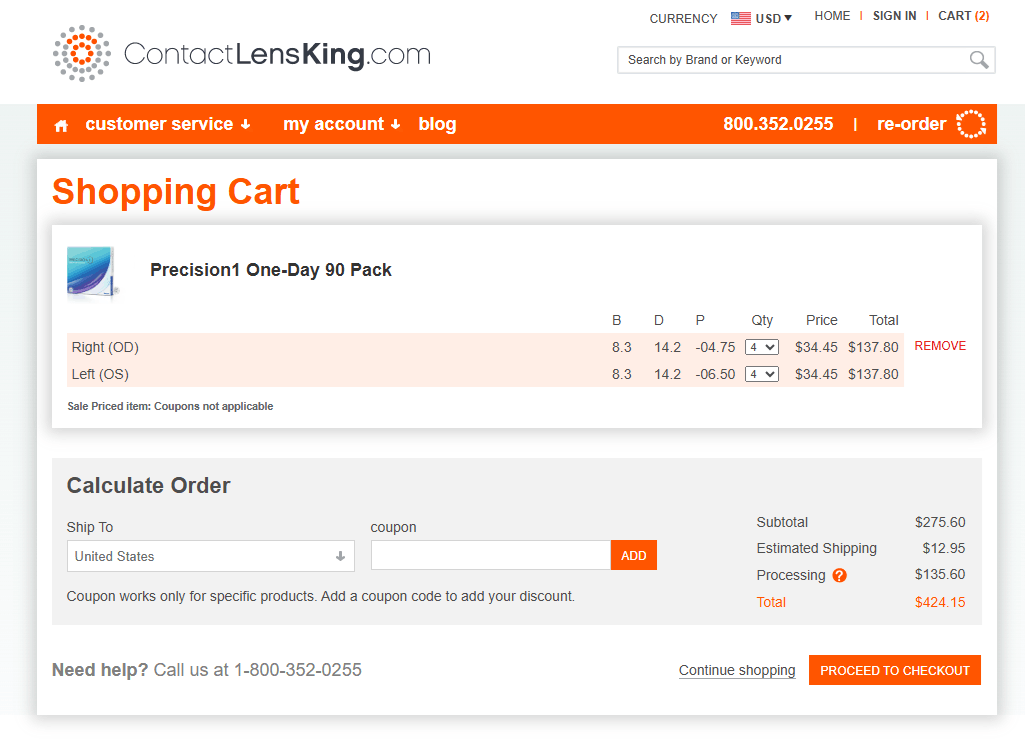
Contact Lens King is an online contact lens discounter. Its Google Shopping price can look aggressively cheap next to larger sellers, but the cart screenshot shows why that comparison is incomplete.
In the screenshot, the product subtotal is $275.60. Estimated shipping is $12.95. Then a processing line adds $136.60, raising the total to $425.15.
The low product price is not the full price. Users cannot trust the Google price without checking the final cart.
Hidden fee + rebate
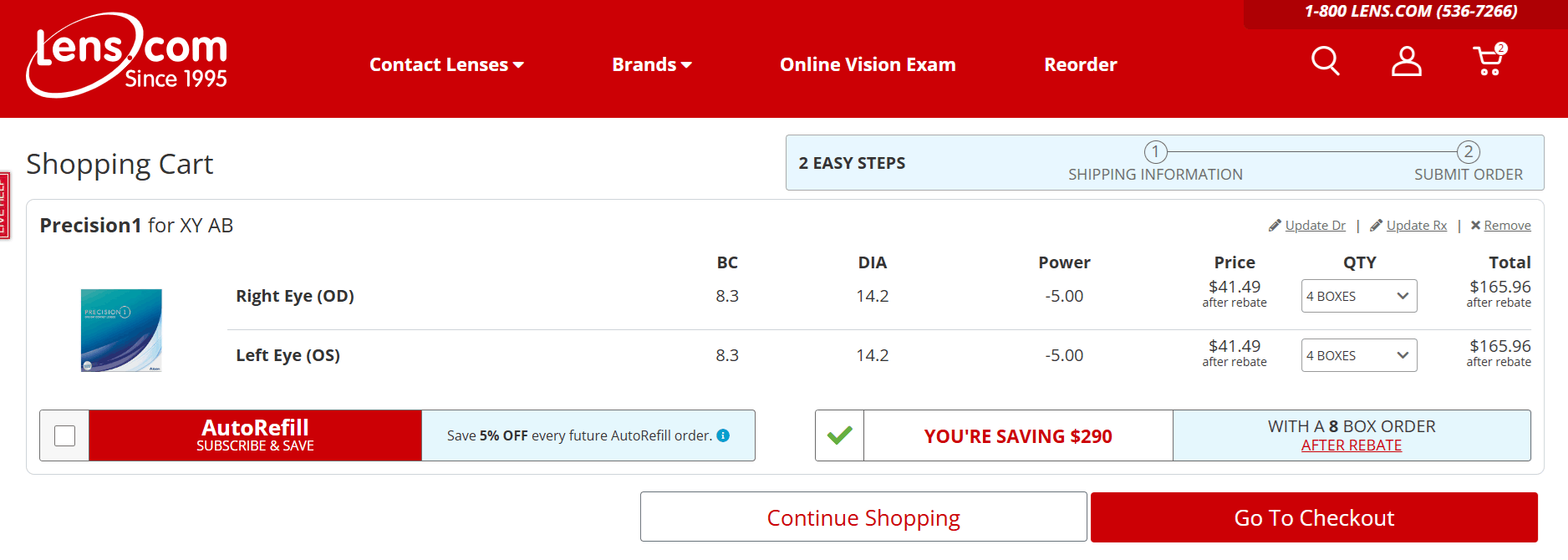
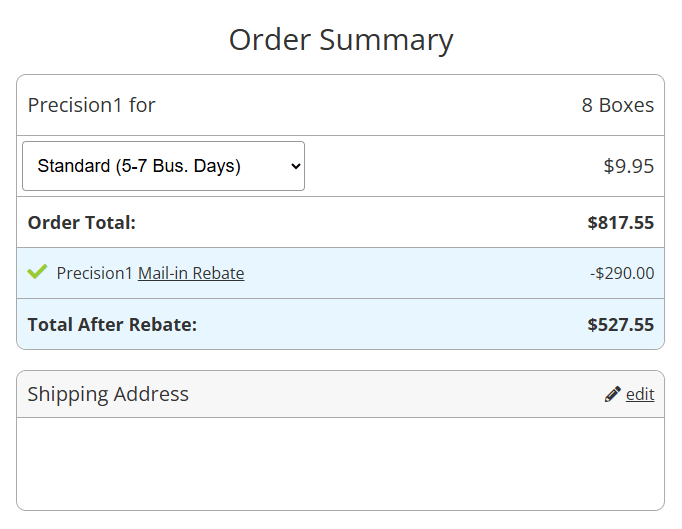
Lens.com is a long-running online contact lens retailer. Its screenshots show a different version of the same problem: a rebate price first, then a later total that contains an added cost that is not explained like the processing fees on the other sites.
Lens.com is worse in these screenshots because the checkout total jumps without the same kind of fee explanation. The cart shows 8 boxes at $41.49 after rebate, or $331.92. The later order summary shows $817.55 before rebate and $527.55 after rebate.
Even after the visible $9.95 shipping charge, the after-rebate total is $185.68 higher than the earlier after-rebate product total. On top of that, the lower number depends on a $290 mail-in rebate.
That is a hidden added cost plus a rebate condition. Users should not treat the Lens.com price shown from Google Shopping or the product page as a simple upfront price.
Processing fee
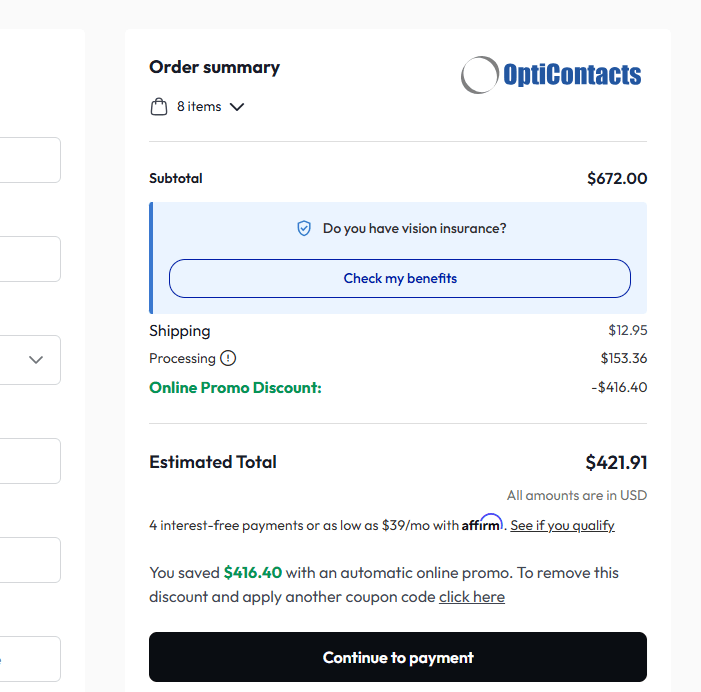
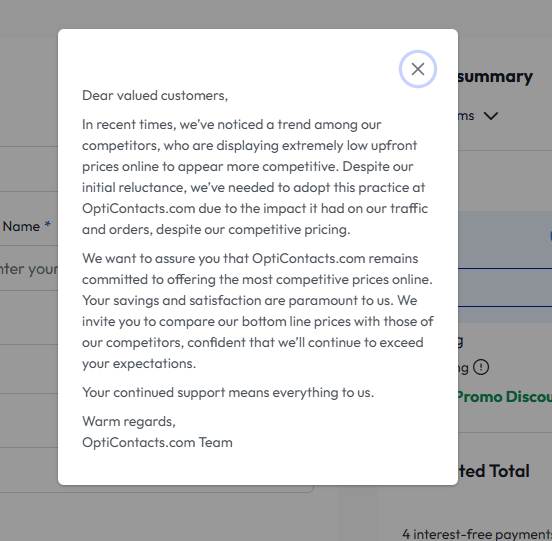
OptiContacts is an online contact lens retailer that competes on low upfront prices. The screenshot shows a checkout structure where the discount and processing fee sit side by side.
In the screenshot, the subtotal is $672.00, shipping is $12.95, and the processing line adds $153.36 before the final estimated total is shown.
The low listed price depends on costs the shopper does not see in the Google Shopping ad.
Processing fee
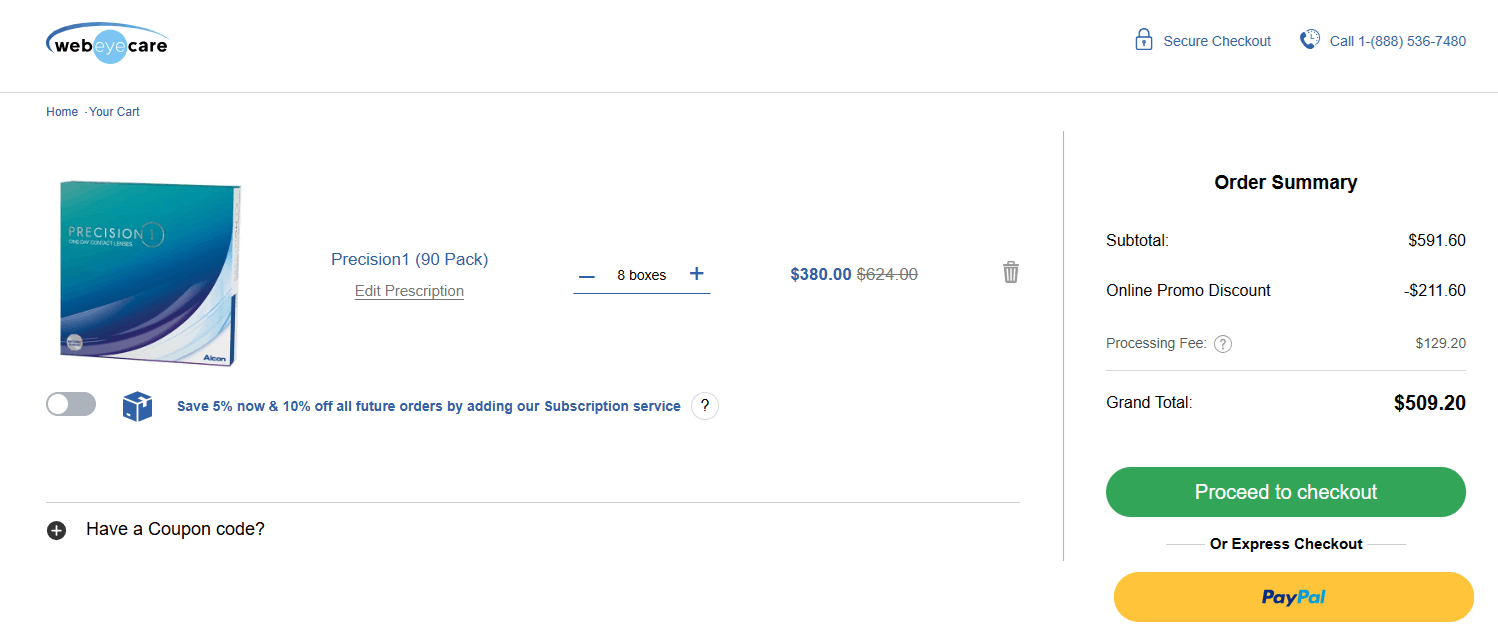
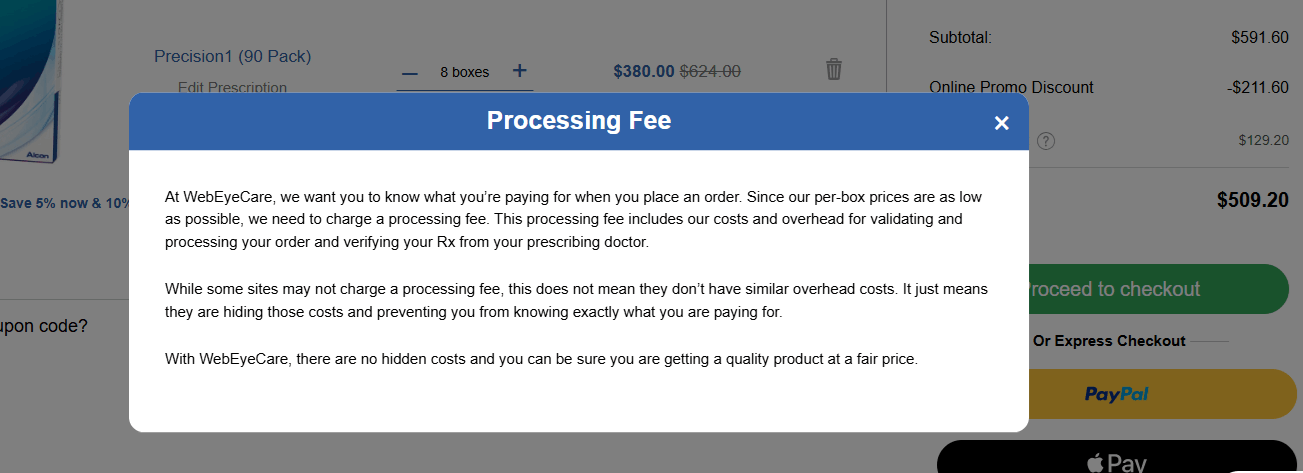
WebEyeCare sells contact lenses online and presents a discounted cart price before the processing fee appears. The fee is not a minor add-on.
In the screenshot, the product is $380.00 after an online promo discount. A $129.20 processing fee is then added before the grand total.
A shopper comparing only Google Shopping prices would miss a major part of the cost.
What the explanations say
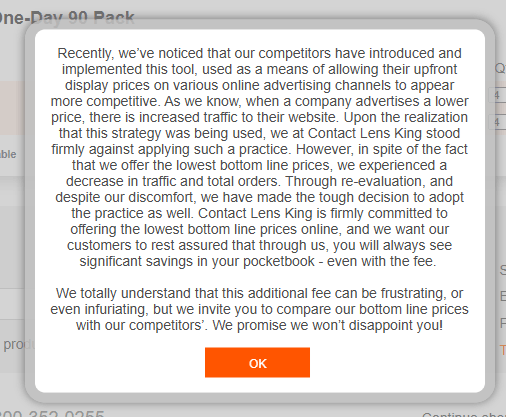
Contact Lens King and OptiContacts both frame processing fees as something they adopted because competitors were using low upfront prices. WebEyeCare says other sellers may be hiding similar overhead. The common message is revealing: the sites understand that low upfront prices affect where shoppers click, but the real total still appears later.
The practical effect
Some people say the lowest contact lens prices are found through Google Shopping ads. The screenshots here show why that can be misleading: if a later fee or rebate condition is missing from the ad price, the "deal" may only exist before checkout.
Looks like the lowest offer.
The missing cost appears later.
The final price is the only useful price.
How to avoid it
A contact lens box is a standardized product. The meaningful comparison is not the first product page price, the ad price, or the "after rebate" price. It is the final amount you pay for the same brand, same box count, same prescription, and same shipping speed.
Before payment, look for "processing," "handling," "insurance," "service," "verification," or similar lines.
If a price is roughly 50% below major retailers for the same brand and box count, something is probably missing.
Check prices across as many retailers as you reasonably can. Comparing several final checkout totals is the only way to know whether you are actually getting a good deal.
Rebates can be real, but they are not the same as a lower checkout price. Compare today's payment separately from any later rebate.
Useful links
These links are not endorsements. They are starting points for comparing complete prices. Fee practices can change, so check the final order summary every time.
Warby Parker is better known for glasses, but it also sells contacts with a cleaner retail presentation. Check the final cart, but no hidden processing fee was observed at time of writing.
1-800 Contacts1-800 Contacts is one of the largest dedicated contact lens sellers in the U.S. Its prices are often not the absolute lowest in an ad grid, but the comparison is easier because the checkout is not built around a surprise processing-fee line.
Walmart ContactsWalmart Contacts is useful as a big-retailer benchmark. If a smaller seller appears far below Walmart for the exact same lens and quantity, inspect the checkout total carefully.
Lenspricer compares final contact lens prices across a very large number of retailers, which can help shoppers find the actual cheapest price instead of only the cheapest advertised price. It states on its site that it does not feature retailers using hidden fees or similar checkout tactics.
Contacts CompareContacts Compare is another contact lens comparison site. Use it to sanity-check whether a Google Shopping price is unusually low compared with the broader market.
LensShopperLensShopper is a long-running contact lens price comparison site. It can help establish the normal price range before you commit time to a retailer's checkout flow.
A November 2025 article reports a proposed class action alleging Contact Lens King used illegal "drip pricing" by advertising a lower upfront price and adding processing fees later. The claims are allegations unless and until decided by a court.
Lens.com hidden-fee lawsuit articleAn April 2024 article reports a proposed class action alleging Lens.com advertised deceptively low prices and added a hidden fee that increased the total cost. The claims are allegations unless and until decided by a court.
WebEyeCare hidden-fee lawsuit articleA September 2024 article reports a proposed class action alleging WebEyeCare.com advertised low contact lens prices and added undisclosed charges late in checkout. The claims are allegations unless and until decided by a court.
About this page
This page documents examples where contact lens prices shown in Google Shopping ads or product pages appear lower than the final checkout total after added fees, rebate conditions, or other charges. The goal is to educate shoppers and help consumers avoid being misled, overcharged, or charged much more than they expected for contact lenses.
Corrections, updates, or additional examples can be sent to [email protected].
Notes on scope
This is not a statement about every transaction, every product, or every shopper's experience with any retailer. It is a consumer-information page showing specific examples captured from Google Shopping, cart pages, checkout pages, and retailer explanations. Prices, fees, promotions, rebate terms, and checkout flows can change.
The legal links above describe allegations in lawsuits and regulatory matters. Allegations are not findings of liability unless a court or regulator decides them. Nothing on this page is legal advice. Trademarks and screenshots belong to their respective owners and are shown for identification, criticism, commentary, and consumer education.
Contact Lens King, Lens.com, OptiContacts, and WebEyeCare are shown with checkout totals that differ from the low prices shoppers may see in Google Shopping ads or product pages. Users who do not notice these changes can pay far more than the price that made them click.